Essay
Navigating the Shadows: Understanding the Dark Triad
The Author · Apr 19 · 3 min read
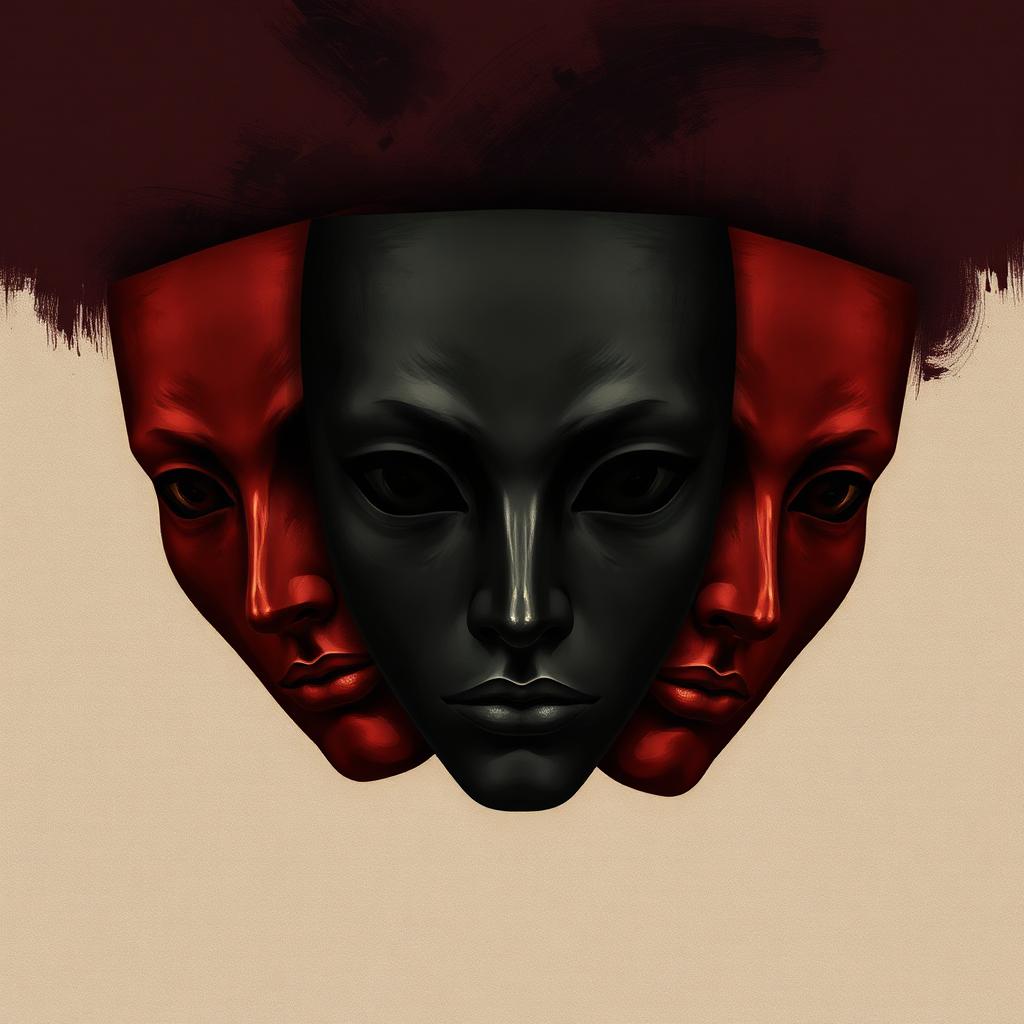
In the study of personality psychology, most researchers focus on the more positive or biological traits that help us function in society. However, there is a darker corner of the human psyche that explores the qualities we usually try to avoid or look down on ethically. Known as the Dark Triad, this framework identifies three personality traits that share a common undercurrent of manipulation, coldness, and self-interest — the zenith of human immorality.
While these traits might sound like the ingredients for a movie villain, they exist on a spectrum. You've likely encountered individuals with "subclinical" levels of these traits in the workplace, in dating, or even in leadership positions.
The Dark Triad is composed of Narcissism, Machiavellianism, and Psychopathy. Though they overlap, each has a unique flavor of malevolence.
1. Narcissism: The Need for Mirroring
Narcissism is defined by grandiosity, entitlement, and an insatiable need for admiration. Unlike the common "selfie-obsessed" stereotype, true narcissism in the triad context is about perceived superiority — one simply believes they are superior by default.
- The Driver: Ego preservation and status.
- The Behavior: Narcissists believe they are inherently better and deserve special treatment. They lack empathy because they are too focused on their own reflection to notice others.
- The Trap: They are often incredibly charming at first, using "love bombing" or excessive praise to draw people into their orbit.
2. Machiavellianism: The Master Strategist
Named after Niccolò Machiavelli, the author of The Prince, this trait is characterized by a misanthropic, calculating worldview. The world is a chessboard, and people are merely pawns.
- The Driver: Power, money, and long-term control.
- The Behavior: Patient, surgical manipulation — lying, flattering, and deceiving to achieve a goal months down the line.
- The Trap: They appear highly professional and reliable, masking exploitation under the guise of "just doing business."

3. Psychopathy: The Absence of Remorse
In the Dark Triad we aren't necessarily talking about serial killers, but rather "socialized psychopaths." This trait is defined by high impulsivity, thrill-seeking, and a terrifying lack of empathy or remorse.
- The Driver: Immediate gratification, stimulation, and a general lack of care for morality.
- The Behavior: Diminished capacity for fear and guilt. They don't feel the "sting" of conscience that stops most people.
- The Trap: Their lack of fear often manifests as extreme confidence — easily mistaken for high-level leadership ability.
Why Do These Traits Persist?
You might wonder why evolution hasn't "weeded out" these traits. The uncomfortable truth is that Dark Triad traits can be highly effective in certain environments — in the workplace, in crisis, in the early stages of attraction. They almost always leave a trail of broken relationships behind them, but they "win" enough in the short term to keep propagating.
The Autism Connection — Why This Matters
Here's where this gets personal for the neurodivergent community: autistic traits are routinely mistaken for Dark Triad traits, and the cost of that mistake is enormous.
- Flat affect ≠ psychopathy. Many autistic people have a muted facial expression or monotone voice. Neurotypical observers read this as "cold" or "callous" and pattern-match it to psychopathy — when the inner emotional experience is often more intense, not less.
- Difficulty reading social cues ≠ Machiavellian manipulation. Autistic communication is typically blunt, literal, and direct — the opposite of strategic deceit. But because it bypasses the social scripts neurotypicals expect, it can read as cold calculation rather than honesty.
- Special-interest monologuing ≠ narcissism. Talking at length about a passion isn't grandiosity; it's how many autistic brains share connection. The Dark Triad narcissist demands admiration. The autistic info-dumper is offering a gift.
- The empathy myth. Research (Fletcher-Watson & Bird, 2020) shows autistic people often have intact or heightened affective empathy — they feel others' pain deeply — but struggle with cognitive empathy, i.e. inferring what someone is thinking. The Dark Triad is the inverse: cognitive empathy intact (so they can read and manipulate you), affective empathy gutted (so hurting you costs them nothing).
This confusion has real consequences. Autistic kids get labeled "manipulative" for meltdowns. Autistic adults get fired for "bad attitudes." Autistic women in particular get diagnosed with personality disorders — BPD, NPD — when the actual answer was autism all along.
Final Thoughts
Understanding the Dark Triad isn't about diagnosing your ex or your boss; it's about recognizing patterns of behavior that signal a lack of integrity — and learning to tell the difference between someone who can't read you and someone who is choosing to use you.
The best defense? Boundaries. For those high in Dark Triad traits, your empathy is an invitation to their misdeeds. For autistic people in your life, that same empathy is the bridge to actually being seen.